Guardians of Memory
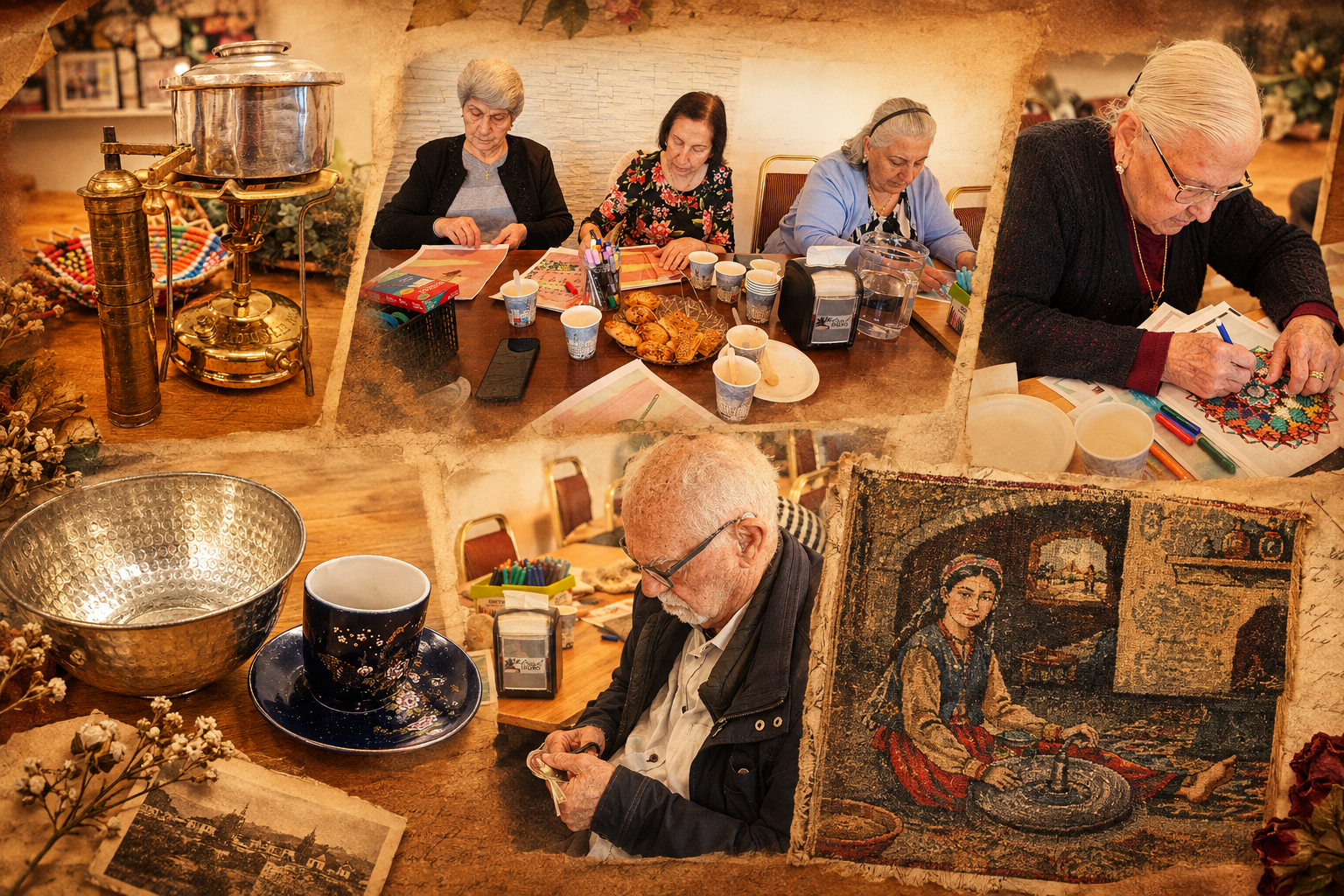
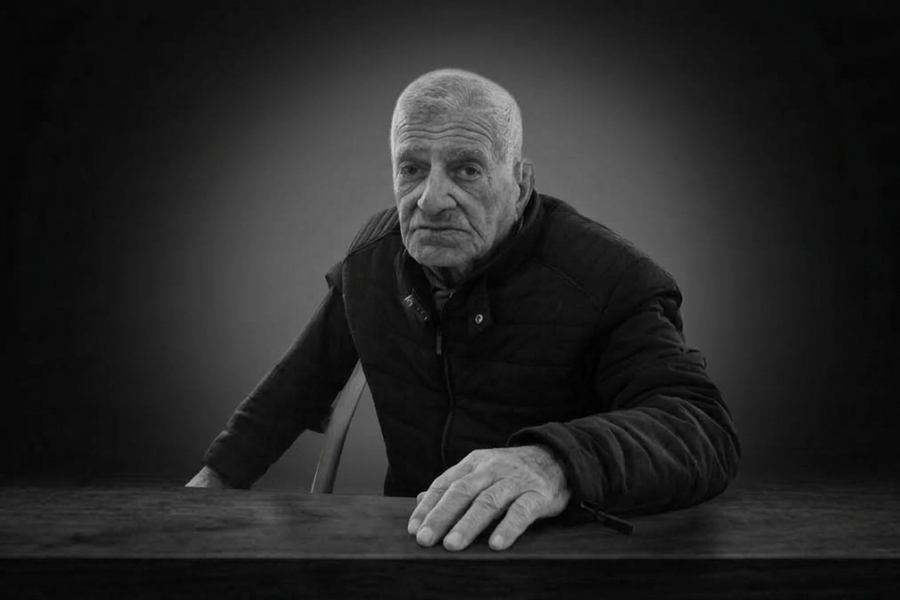
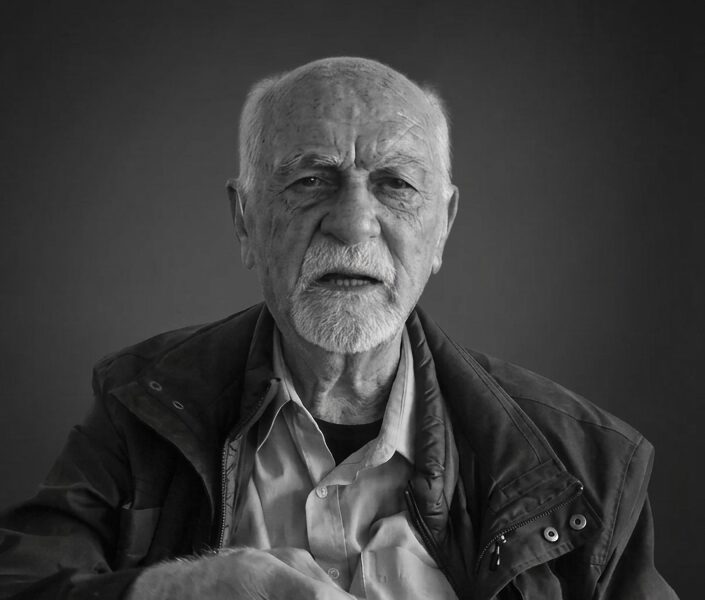
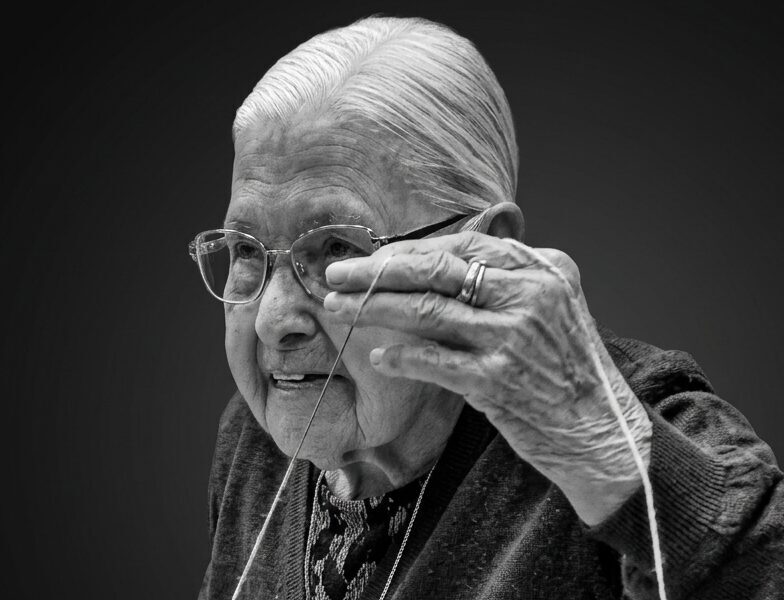
Old age is not merely about the body’s forces gradually diminishing. It is also about the vast weight of memory; how the days that have passed are transformed into an inner museum that we can visit over and over again without growing tired. There, we rediscover faces, places, and events we thought had disappeared, but which are still alive within us.
”Att lyssna till äldre handlar inte bara om att samla minnen. Det är också att lyssna till en del av vårt gemensamma minne. Vi dokumenterar inte det förflutna bara för det förflutnas skull. Vi försöker rädda det som förtjänar att leva vidare.”
This is where the project “Life Stories of the Elderly” comes in. The project gives memory a voice and transforms personal experiences into stories that can be preserved and passed on to future generations. Behind every elderly person is an entire life that has not yet been told: an old love, a loss never forgotten, decisions that changed the direction of life, dreams deferred, small victories, and difficult days that have shaped the person he or she is today.
Listening to the elderly is not just about collecting memories. It is also listening to a part of our collective memory. We do not document the past merely for the past’s sake. We seek to save that which deserves to live on: the wisdom born of experience, the lessons not found in books, and the human details at risk of disappearing when the people who carry them are no longer here.
In this project, the elderly person is not merely a narrator. He or she becomes a guardian of the memory of an entire era. Every story told and documented becomes a bridge between generations. Through it, children and grandchildren get the opportunity to know the person their parents and grandparents once were, before they became “elderly.”
Perhaps the most beautiful thing we can do in the face of memory’s weight is not to let it remain alone with the person who carries it. To sit beside them, listen, ask, and document. Because certain stories, once told, no longer belong solely to the storyteller. They become part of an entire community’s memory.
“Life Stories of the Elderly” is therefore not just a project to document the past. It is an effort to give the past a new opportunity to speak to the future.
The true beauty of the project lies not only in allowing the elderly to share their stories, but also in having someone there to listen. That is why the participation of children and grandchildren is so vital. A child sitting in front of their grandmother or grandfather is not just sitting in front of an elderly person. They are standing before a living page of their own family’s history.
Perhaps the child hears for the first time a story they never knew before: what grandfather was like as a child, where he used to play, what the house where he grew up looked like, how he met grandmother, what he dreamed of becoming, and what he was forced to leave behind along the way.
When a child asks their grandfather, “What was your life like when you were my age?”, they are not asking as simple a question as it might first appear. It opens a door in time. And through that question, an entire journey back to the past can begin.
Grandfather might talk about an old school, a village that no longer exists, a long journey, a war, a migration, hard labor, the first wage he earned, or a person he loved and lost.
Grandmother might speak of her childhood, her mother, the first dress she wore, the old kitchen, the neighbors, the songs she used to hear, and a time when the details of everyday life looked completely different than they do for children today.
Perhaps the most beautiful outcome of this project is that the encounter between the child and the elderly person turns into a conversation between two eras.
A child who belongs to a world of mobile phones, the internet, and fast-moving images sits beside a person who lived in a time when a letter could take days to arrive, when a photograph might be a rare event, and when human relationships were more strongly bound to place, memory, and waiting.
The gap between these two worlds may seem immense, but storytelling can bridge it. The child does not need to have lived in the past to understand it. Sometimes, it is enough to hear about it from someone who actually lived there.
Then, the recording is no longer just material for a cultural project. It becomes an emotional heritage.
Children and grandchildren can therefore participate in the project in many different ways: by asking questions, drawing pictures inspired by the stories, writing down what they have understood, retelling the tales in their own words, and even turning certain stories into artwork, theatrical performances, or short films.
In this way, memory does not travel in only one direction—from the elderly person to the child. It also begins to move back, from the child to the elderly.
Even more importantly, the participation of children and grandchildren gives the elderly a feeling that what they have lived through still matters. A person advanced in years can sometimes feel that the world around them is moving faster and faster, and that the experience they carry is no longer sought after as it once was.
But when a child sits in front of them and asks with genuine interest, “What happened next?”, the question itself says:
Your life is worth telling.
Perhaps this is one of the finest gifts we can give elderly people: giving them time to speak and providing their stories with ears that want to listen.
Listening is not a neutral act. When a child listens to an elderly person, the child says, without having to express it in words:
You do not stand outside of time. What you have experienced is not forgotten. What you know can be important to us.
At the same time, the child learns something that books alone cannot convey: that history does not consist only of dates, wars, kings, and presidents. History also exists in grandmother’s kitchen, in grandfather’s account of his first day at work, in an old photograph, in a letter saved in a drawer, in a song sung at a family celebration, and along the path the children used to walk to school every morning.
It is history from below—the history that official books do not always write, but which lives on in people’s memories.
That is why the participation of children and grandchildren in “Life Stories of the Elderly” is not a side activity. It is the heart and soul of the project.
For if memory remains solely with those who carry it, it dies with them. But if it is passed on to a new generation, it begins a new life.
One day, the child who once sat in front of their grandmother to listen to her story may themselves become the guardian of the story. Many years later, that child might tell it to their own children, saying:
“My grandmother used to say…”
Thus memory is passed on—from voice to voice, from face to face, and from generation to generation.
And that is the little miracle of storytelling: it can make an absent person present, a distant place near, and a time that has ended possible to experience again.
Perhaps the most beautiful image the project can leave behind is a child holding their grandmother’s hand, or a grandchild sitting beside their grandfather, with a small recording device, a notebook, or a camera between them.
At first glance, it may not look like a historic event.
But in reality, it is a moment when one generation hands over something to another—something far more valuable than material possessions:
meaning.
The elderly are not merely witnesses to a time gone by. They are guardians of the memory of an entire era.
And the children and grandchildren are not merely an audience to this memory. They are its new guardians.